The Ultimate Luxury Safari Packing Guide: Master Kenya’s Strict Baggage Rules Without Sacrificing Style
Preparing for a premium African adventure brings a unique set of logistical puzzles, none more challenging than packing your wardrobe. For travelers heading into elite Kenyan bush camps like Mahali Mzuri, the excitement of tracking the Big Five is often accompanied by an immediate logistical concern: packing a high-end luxury wardrobe into an incredibly tight structural weight limit.
Unlike standard international flights, domestic bush flights flying out of Nairobi enforce strict baggage restrictions to ensure aircraft safety on remote dirt runways. Packing incorrectly can result in left-behind luggage or costly charter adjustments. In this comprehensive, premium packing guide, we break down the exact physics of safari baggage limits, technical fabric selection, footwear logistics, and essential gear to ensure you step off your bush plane fully prepared and effortlessly stylish.
1. Deconstructing the 15kg (33lbs) Soft-Sided Luggage Mandate
To understand why you must pack intentionally, you must first understand the structural engineering behind your regional transportation. The aircraft servicing the Maasai Mara—primarily Cessna Grand Caravans and de Havilland Twin Otters—are built for durability on rough terrain, not massive storage capacity.
The Strict Limits
The industry standard across all major Kenyan bush carriers (such as Safarilink and AirKenya) is a maximum weight restriction of 15 kilograms (33 pounds) per passenger. This limit is absolute and includes both your main checked bag and your personal carry-on item combined.
The Soft-Sided Luggage Requirement
Hard-shell suitcases with rigid plastic frames or spinning wheels are strictly prohibited on these routes. The luggage pods beneath small bush planes are compact and uniquely shaped. Your bags must be made of entirely soft-sided material (such as canvas, premium nylon, or unstructured duffel leather) so that the ground crew can physically manipulate and compress the bags into the cargo hold. Hard suitcases simply will not fit and will be rejected at the boarding gate.
2. Fabric Engineering: Choosing Style and Utility for the Savannah
Packing for a five-star lodge does not mean loading up on heavy, formal evening wear. The dress code at premium camps is universally described as “bush chic”—relaxed, functional clothing that prioritizes comfort, breathability, and protection from the elements, while remaining neat and sophisticated for communal dinners.
The Color Palette Rule
Your clothing choices must coordinate with your immediate environment. Choosing the wrong colors can negatively impact your game-viewing tracking or attract hazardous insects:
- The Safest Tones: Neutral shades like khaki, olive green, tan, beige, and light brown blend seamlessly into the savannah grass, making you less visible to wildlife during guided bush walks.
- Colors to Avoid completely: White and cream look elegant but will be instantly ruined by the fine, red volcanic dust of the Kenyan tracks.
- The Danger Hues (Blue & Black): Dark blue and pure black clothes emit an ultraviolet signature that actively attracts the tsetse fly, a biting insect native to certain wooded areas of East Africa.
- The Predator Alert (Bright Red): Avoid bright, neon colors. Red is the traditional color of the local Maasai warriors; wildlife can spot it from miles away and will flee long before your vehicle approaches.
Premium Fabric Selection
Because weight limits are restricted, you must pack versatile garments made of advanced technical fabrics. Prioritize lightweight linen blends, merino wool, and specialized moisture-wicking synthetics. Merino wool is an excellent option because it regulates your natural body temperature beautifully and resists odors naturally, allowing you to wear a single garment multiple times without requiring immediate laundering.
3. The Layering Strategy: Navigating the African Micro-Climates
Many first-time luxury travelers mistakenly assume East Africa is intensely hot around the clock. In reality, the Maasai Mara sits at an elevation of roughly 5,000 feet above sea level. This creates dramatic temperature swings over a standard 24-hour cycle.
The Cold Sunrise Morning
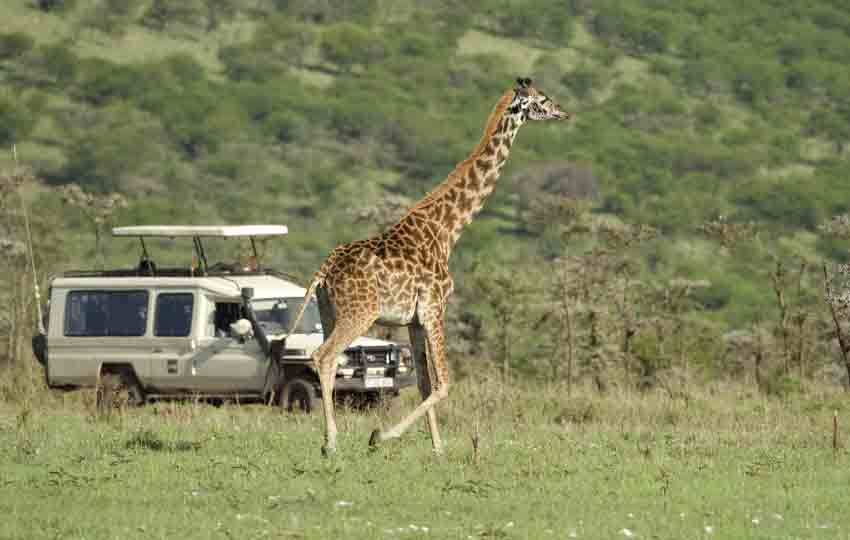
When your alarm rings at 06:00 AM, the temperature out on the plains can hover around a chilly 10°C to 12°C (50°F). Because your custom safari vehicle is completely open-sided to allow for panoramic wildlife photography, the rushing wind amplifies the chill. You will need a heavy base layer, a long-sleeve performance shirt, and a premium windproof jacket or fleece.
The Midday African Heat
By 11:00 AM, the equatorial sun cuts through the clouds, pushing temperatures up past 28°C (82°F). Your heavy layers must be easily removable. Your packing list must focus on convertible elements—such as button-down shirts with roll-up sleeve tabs and lightweight trousers.
4. Footwear Dynamics: Tracking and Lodge Transitioning
Footwear occupies the most weight inside your duffel bag, meaning you must restrict your selection to no more than two or three highly specialized pairs of shoes.
The Game Drive & Walking Boot
If your itinerary is focused primarily on vehicle game tracking, heavy, steel-toe hiking boots are completely unnecessary. Instead, opt for a lightweight, ankle-high trail boot or structured leather walking shoe with a deep rubber tread. This provides excellent stability when stepping down from high vehicle steps or participating in an impromptu bush walk through uneven savannah grass. Ensure your shoes are thoroughly broken in before your departure date to prevent painful blisters.
The Lodge Slipper or Sandal
For relaxation time around the infinity pool, walking along the elevated camp boardwalks, or gathering around the evening camp fire pit, a casual pair of premium leather sandals or breathable canvas slip-ons is ideal.
5. The Definitive 6-Day Safari Packing Checklist
Thanks to the exceptional daily complimentary laundry service provided at premium properties like Mahali Mzuri, you do not need an item of clothing for every single day. You can easily wash and reuse items throughout your journey.
Clothing Checklist
- 3x Light Trousers: Durable utility pants or cargo style in khaki or olive tones.
- 2x Shorts: Comfortable options for warm afternoon relaxation periods at the lodge.
- 4x Performance Shirts: A combination of short-sleeve and long-sleeve options with built-in UV protection.
- 1x Premium Fleece/Jacket: A stylish, windproof top layer for cold early morning tracking sessions.
- 1x Wide-Brimmed Safari Hat: Essential for blocking intense midday UV rays; ensure it features a secure chin strap to prevent it from flying off in moving vehicles.
- 6x Undergarments: Lightweight, quick-dry technical styles.
- 1x Swimwear: For dipping into the camp’s panoramic heated infinity pool between excursions.
Essential Gear & Electronics
- High-End Binoculars: Do not rely solely on your guide’s pair. Invest in a personal pair of high-clarity 8×42 or 10×42 optics to track leopards hidden deep in distant river canopies.
- Camera System: Bring a mirrorless or DSLR camera body paired with a versatile telephoto zoom lens (ideally 100-400mm) to capture crisp wildlife photography without disturbing the animals.
- Spare Memory Cards & Extra Batteries: Cold mornings drain camera batteries rapidly. Bring twice as many backups as you think you will need.
Health, Wellness & Skin Protection
- High-SPF Sunscreen: Broad-spectrum protection is vital at high elevations near the equator.
- Premium Insect Repellent: Formulations containing DEET or Picaridin provide the most consistent defense against mosquitoes during sunset sundowner hours.
- Polarized Sunglasses: Crucial for cutting through the intense glare of the midday savannah sun, allowing you to spot wildlife silhouettes easier.
6. How Premium Camps Help You Pack Lighter
The secret to meeting your 15kg weight limit lies within the premium amenities provided directly by your hosts. Elite luxury properties understand the constraints of domestic aviation and design their guest services to accommodate them.
What to Leave at Home
- Heavy Toiletries: High-end camps stock their tents with organic shampoo, conditioner, body wash, insect defense sprays, and moisturizing lotions, freeing up massive weight space in your bag.
- Hairdryers: Premium safari tents provide high-powered dryers that match the camp’s solar energy grids, meaning you can leave yours behind.
- Heavy Outerwear Ponchos: If a sudden seasonal rain shower develops during your afternoon drive, your vehicle is pre-stocked with heavy, lined, waterproof safari ponchos and fleece blankets to keep you warm and dry.
Ready to Test Your Packing Skills in the Mara?
Mastering the logistics of soft-sided packing ensures your trip into the wild begins smoothly, without gate friction or unnecessary delays. By focusing on smart layering, proper color matching, and technical fabrics, you can protect yourself from the wilderness elements while remaining perfectly dressed for five-star dining.
Looking for a completely managed travel experience? We handle all background logistics, internal flight documentation, and baggage coordination for our guests from start to finish. Review our master, fully tailored 6-Day Luxury Masai Mara Package to secure your luxury tent and start preparing your ultimate safari wardrobe today.