
What is the Best Month for an East Africa Safari? The Definitive Guide to Timing Your Safari
Planning a bucket-list journey to the cradle of wildlife requires navigating one crucial question: “What is the best month for an East Africa safari?”
Because wildlife movements, weather patterns, and landscapes shift dramatically throughout the year, timing your trip correctly is the secret to unlocking the holiday of a lifetime. Whether you want to witness millions of wildebeest plunging across rivers, photograph massive elephants under clear blue skies, or embark on an intimate walking safari, the calendar dictates your experience.
If you are a first-time traveler or coordinating a trip from the US, choosing the right time can feel overwhelming. Below is an expert, comprehensive breakdown of East Africa’s seasons, monthly highlights, and how you can experience the absolute best of Kenya in a single, perfectly timed week.
The Peak Dry Season (June to October): Best for Wildlife Density
If your primary goal is to see the highest concentration of wildlife in the easiest tracking conditions, the months between June and October are universally considered the gold standard across East Africa
Why June–October is Unbeatable:
- The Vegetation Thins Out: As the dry season progresses, lush bushes and tall grasses completely dry up. This lack of thick foliage removes natural hiding places, making it significantly easier to spot camouflaged predators like leopards, cheetahs, and lions during game drives.
- Natural Waterhole Congregations: With seasonal streams and temporary watering holes drying out, animals are forced to gather around permanent water sources. Safari guides can easily locate large family groups of elephants, zebras, and antelopes simply by tracking the remaining waterlines.
- The Great Migration Peaks: Between July and October, close to two million wildebeest and zebras flood the plains of the ecosystem, making it the premier window to witness dramatic, high-stakes river crossings. You can monitor the real-time status of these seasonal herd movements through the trusted destination portal at MasaiMara.com.
Featured Itinerary Match: The 7-Day Sweet Spot
For travelers looking to make the absolute most of this peak window without spending weeks living out of a suitcase, the Woodley Wild Adventures 7-Day Kenya Safari Adventure is flawlessly mapped to maximize dry season advantages.
Instead of exhausting you with 10-hour highway marathons, this regional route sweeps you through Kenya’s most iconic ecosystems with seamless efficiency. You will launch from a restful first night at the elegant Sarova Panafric Hotel Nairobi, giving you the perfect buffer to shake off international transatlantic jet lag before hitting the savannah the next morning.
January to February: Clear Skies and Elephant Giants
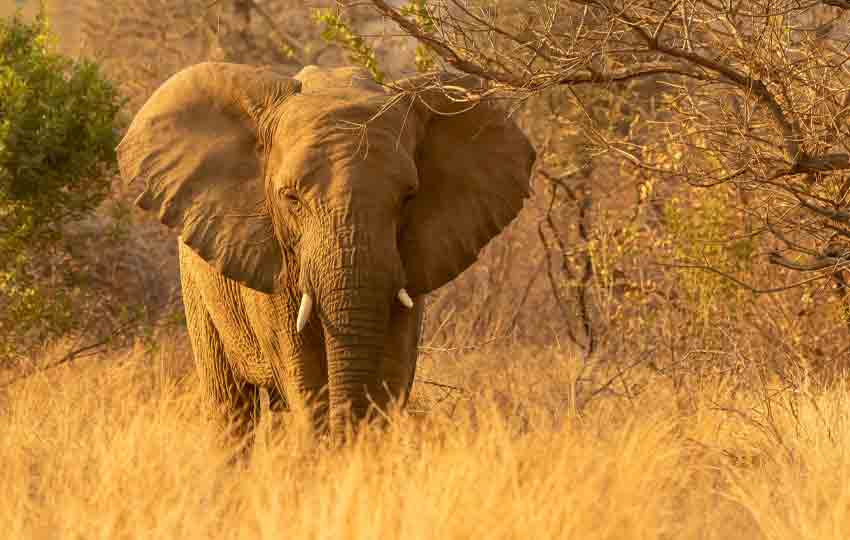
If your dream safari postcard features immense elephant herds walking beneath a perfectly clear, snow-capped mountain, January and February are your target months.
This short dry season offers beautifully warm days and clear, crisp mornings. It is the premier time of year for visiting Amboseli National Park, affectionately known as the “Land of Giants”. During these months, the cloud cover around the peak of Mount Kilimanjaro tends to dissipate in the early hours, offering spectacular, unobstructed backdrops for world-class wildlife photography.
The Lodge Comfort Anchor
Exploring dusty savannah plains requires an accommodation strategy that values security, comfort, and premium food safety. The 7-Day Kenya Safari Adventure bases its park stays at celebrated properties managed by Sopa Lodges.
Choosing established hospitality champions ensures that after an exhilarating day tracking the Big Five, you return to real luxury beds, private stone-walled en-suite bathrooms, hot running water, and world-class dining rather than roughing it in a basic camping setup.
November to December & March to May: The Green Season & Active Gems
Often called the “Green Season” or the shoulder months, the rainy intervals shouldn’t be automatically dismissed. They offer unique advantages that the dry seasons cannot replicate.
- November to December (Short Rains): The plains turn a vibrant emerald green almost overnight. The skies clear up beautifully after brief afternoon showers, and infant animals are born across the plains, drawing intense predator action from nearby lion prides.
- March to May (Long Rains): This period offers the lowest crowd levels of the year and highly competitive rates. For up-to-date regional landscape insights, you can consult the ecosystem mapping via the Mara Project Archive. It is an ideal time for budget-conscious or solo travelers who prefer an intimate, private feel in the bush.
The Refreshing Oasis: Lake Naivasha
During the greener transitions of the year, water-rich sanctuaries provide a peaceful contrast to the vast plains. Mid-way through your one-week tour, you will stop at the pristine freshwater ecosystem of Lake Naivasha.
Here, the itinerary shifts from standard vehicle game drives to active, ground-level immersion:
- A scenic boat safari gliding past wallowing pods of hippos and tracking diving fish eagles.
- A guided walking safari on Crescent Island, a tranquil private sanctuary free of large predators, allowing you to walk safely side-by-side with wild, towering giraffes, waterbucks, and zebras.
You will wind down these active days at Sawela Lodges Naivasha, a premier lakeside resort surrounded by lush, yellow-barked acacia trees, offering swimming pools and total relaxation.
Month-by-Month Deep Dive: Choosing Your Travel Window
To help you match your vacation dates to your personal wildlife goals, let’s explore exactly what happens on the ground in East Africa month by month:
January – February (The Secret Sweet Spot)
- The Weather: Warm, dry, and clear.
- The Highlights: This is calving season in many areas, meaning high concentrations of newborn plains game and active predators. Mount Kilimanjaro is highly visible in Amboseli, and dust levels are manageable.
- Who it’s for: Photographers, birdwatchers, and families looking for clear weather away from the mid-year summer crowds.
March – May (The Emerald Kingdom)
- The Weather: Heavy afternoon downpours with lush, warm tropical humidity.
- The Highlights: The landscape transforms into a stunning, vibrant green. This is the peak time for avian enthusiasts as thousands of migratory bird species arrive.
- Who it’s for: Experienced safari-goers, landscape photographers, and value-seeking travelers who want maximum privacy and lower lodging rates.
June – October (The Great Migration & High Action)
- The Weather: Cooler, crisp mornings and completely dry afternoons.
- The Highlights: The legendary wildebeest migration takes center stage in the Masai Mara. Animal tracking is at its easiest because wildlife stays pinned to permanent river systems and waterholes.
- Who it’s for: First-time travelers, bucket-list seekers, and anyone determined to see classic predator-prey dynamics and iconic river crossings.
November – December (The Festive Renewal)
- The Weather: Short, predictable afternoon showers that rarely disrupt morning game drives.
- The Highlights: Fresh grass shoots up, creating beautiful contrast for photography. Air clarity is at its highest, making for breathtaking African sunsets.
- Who it’s for: Travelers looking to combine a safari with a warm winter holiday break or those who enjoy dynamic, dramatic cloud formations in their landscapes.
At-A-Glance: Seasonal Comparison Matrix
| Months | Season Type | Wildlife Visibility | Crowd Levels | Key Environmental Visuals |
| Jan – Feb | Short Dry Season | Excellent | Moderate | Clear mountain horizons; newborn herds |
| Mar – May | Long Rainy Season | Fair / Challenging | Very Low | Dense emerald brush; high bird activity |
| Jun – Oct | Peak Dry Season | Outstanding | High | Golden savannahs; active river crossings |
| Nov – Dec | Short Rainy Season | Good | Moderate | Dramatic afternoon skies; fresh greenery |
Practical Planning Tips for First-Time Safari Guests
Regardless of the month you choose for your East African journey, keeping these three core planning principles in mind will guarantee a smooth travel experience from the US:
- Book Well in Advance for Peak Months: If you intend to travel between July and October, safari lodges often fill up 6 to 12 months in advance. Securing your reservation early prevents you from losing out on prime window dates.
- Pack Flexible Layers: Dry seasons feature surprisingly chilly mornings. A 6:00 AM game drive in an open-sided vehicle can feel cold, requiring a fleece or jacket, which you will then shed by midday as temperatures climb into the mid-80s.
- Respect the Terrain: Traveling through safari parks means navigating unpaved roads. Choosing an itinerary that balances driving hours with active segments—like boat rides and walking safaris—keeps your energy high throughout the week.
Lock In Your Perfect Travel Window
There isn’t a single “wrong” time to visit East Africa, but matching your vacation dates to your personal wildlife goals is the ultimate key to a successful journey. By selecting a route that maximizes regional proximity, you can experience the absolute best of Kenya’s wildlife density and premium lodge hospitality in a single week.
Ready to remove the stress of vehicle coordination, park permits, and accommodation logistics? Let local travel experts handle the details from the moment you step off the plane.
Explore the transparent pricing, full inclusions, and daily route maps on the official Woodley Wild Adventures 7-Day Kenya Safari Adventure Booking Page and take your first step toward the open savannah today!